
Ethiopia
Why We Are on Site
The Somali Region in Ethiopia is one of the areas of the country most severely affected by food insecurity. The causes include recurrent droughts, water scarcity and the dependence of many people on livestock farming and arable farming. In many regions, rates of acute malnutrition regularly stand at 10–15 per cent, often exceeding emergency thresholds. Against this backdrop, we are taking action by promoting local food production and making communities less reliant on insecure sources of food and income.
At a Glance
How We Help in Ethiopia
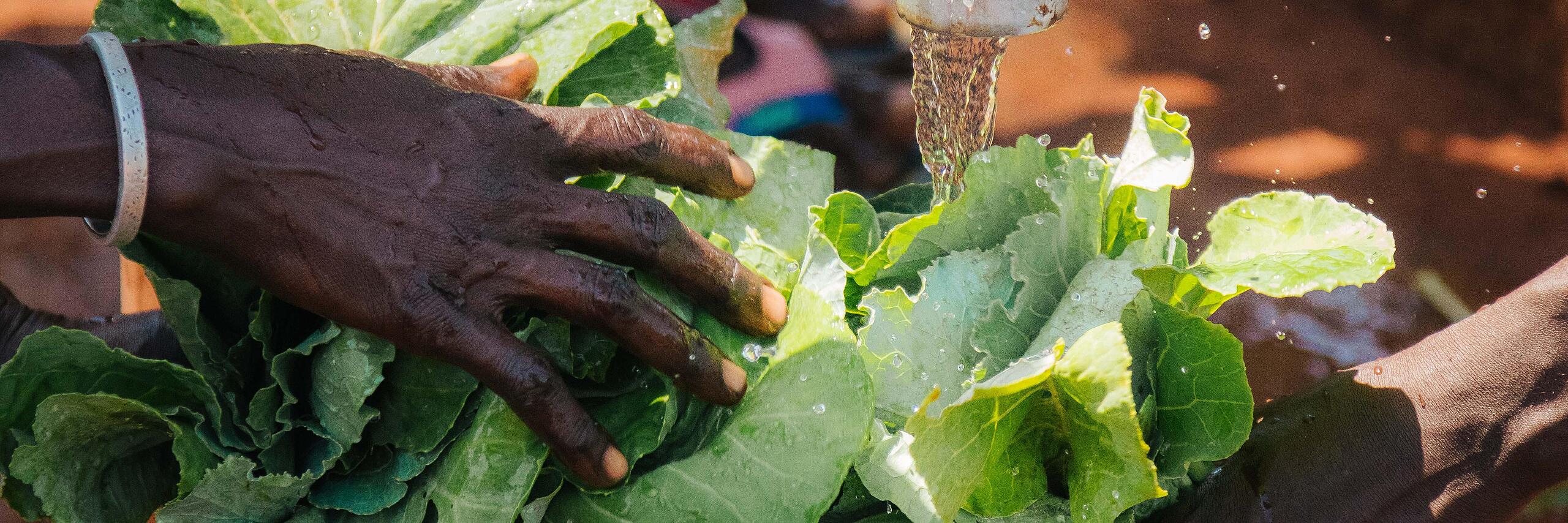
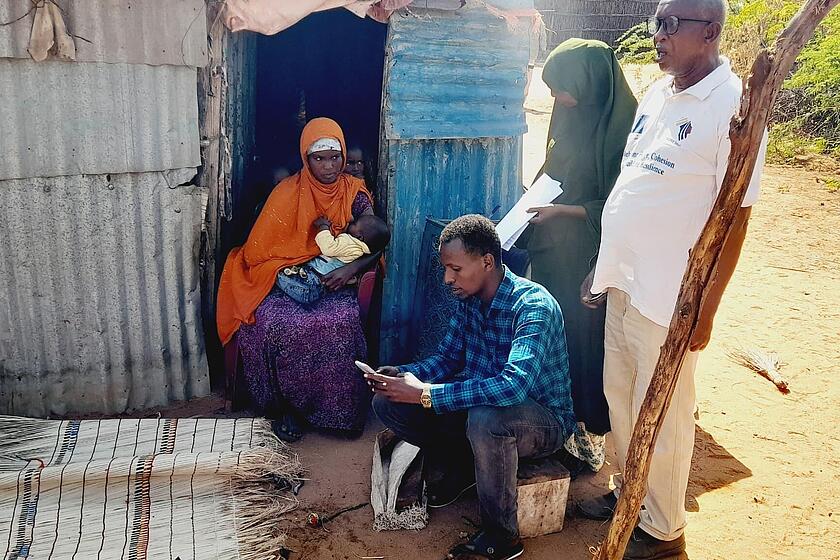
The Somali Region of Ethiopia is characterised by vast, arid semi-deserts and a deeply rooted nomadic culture. Together with our partner organisation RACIDA, we are strengthening people's food security through climate-smart permagardens. In 200 households, we support the creation of home gardens, provide climate-adapted seeds and basic tool kits, and train families in water-saving cultivation methods, composting, and plant care and health.
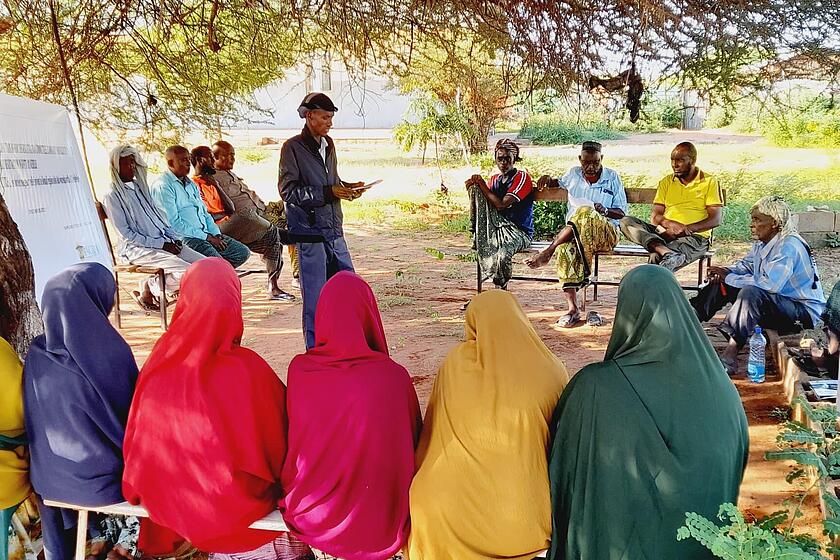
Special attention is paid to pregnant women, breastfeeding mothers and children under five. Our trainings promote balanced nutrition and practical tips for preparing meals. At the same time, staff and community representatives receive training so that the support continues after the project ends.
Through demonstration plots, practical coaching visits and the involvement of regional authorities, we increase resilience to drought and strengthen local capacities for disaster risk reduction. The project aims to enable families to grow nutrient-rich food independently and sustainably, making them less dependent on emergency aid.